Content
If your vehicle shakes or vibrates while driving, makes clunking noises during acceleration, or produces a squeaking sound at low speeds, your driveshaft is likely failing. These symptoms typically point to worn universal joints, a damaged center support bearing, or loose Driveline Components that need immediate inspection. Ignoring these warning signs can lead to complete driveshaft failure, which may cause loss of vehicle control while driving.
Below, we break down each symptom in detail, explain what causes it, and show you how to confirm the diagnosis before scheduling a repair.
A driveshaft transmits rotational power from the transmission to the wheels, and when it fails, the symptoms are usually impossible to ignore. Watch for these signs:
Most drivers notice at least two of these symptoms together before the problem becomes severe, which makes early diagnosis much easier.
Vibration is the single most reported symptom of a bad driveshaft. It usually starts as a mild shudder around 40 to 55 mph and grows stronger as speed increases. This happens because the shaft has become unbalanced, often due to a missing balance weight, a bent tube, or worn bushings in the center support bearing.
Unlike wheel balance issues, which tend to remain steady across most speeds, driveshaft vibration typically intensifies noticeably within a specific speed range and can sometimes disappear at higher speeds. This pattern is a strong indicator that the problem lies in the drivetrain rather than the tires. A mechanic can confirm this with a driveshaft balance test on a lift.
Persistent vibration stresses the transmission tail housing, differential seals, and other connected Driveline Components, potentially turning a simple driveshaft repair into a much larger repair bill if left unaddressed.
Different noises point to different failure points. Use this table to narrow down the likely cause before your inspection.
| Noise Type | When It Occurs | Likely Cause |
|---|---|---|
| Clunk | Shifting from park to drive | Worn U-joint or loose slip yoke |
| Squeak | Low speed, slow acceleration | Dry, unlubricated U-joint |
| Rattle | Rough roads or idling | Loose heat shield or worn center bearing |
| Scraping | Constant while driving | Shaft contacting the underbody |
A loud clunk when you shift from park to drive, or when you press the accelerator quickly, almost always points to excessive play in the universal joints. Over time, the needle bearings inside a U-joint wear down, creating a gap that allows the shaft to shift position slightly before engaging fully.
To test this at home, put the transmission in neutral, engage the parking brake, and try to twist the driveshaft by hand near the joints. Any noticeable looseness or metallic clunking confirms a worn joint that needs replacement. This is one of the easiest checks for identifying failing Driveline Components without professional tools.
A visual inspection is one of the fastest ways to catch problems before they cause a breakdown. Get the vehicle safely raised on jack stands and check the following:
Any of these findings warrant a closer inspection or replacement of the affected part before the vehicle is driven long distances.
The driveshaft does not work in isolation. It is part of a larger system that includes universal joints, the center support bearing, the slip yoke, and the differential input flange. When one part fails, it places extra stress on the others, which is why a single worn U-joint can eventually damage the transmission output seal or the differential pinion bearing.
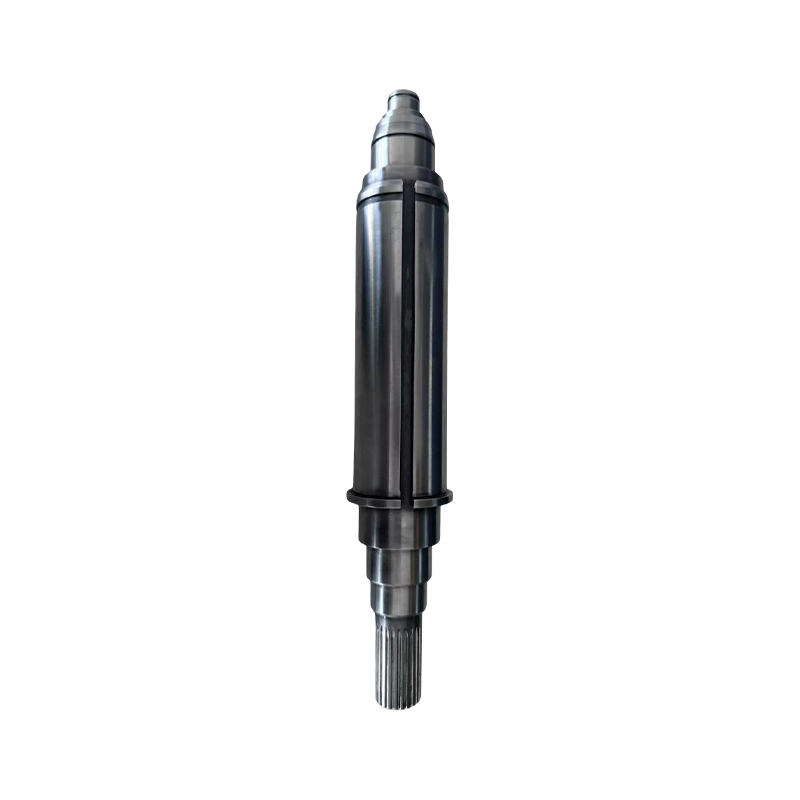
Because these parts are interdependent, replacing a driveshaft with a matched set of quality Driveline Components helps restore proper balance and reduces the chance of repeat failures. A full range of these parts, including shafts, joints, and support bearings, can be reviewed at this Driveline Components product page, which is a useful reference when sourcing replacement parts that match your vehicle's original specifications.
Before booking a shop visit, these basic checks can help confirm whether the driveshaft is truly the source of your symptoms:
Any movement greater than a slight amount of play indicates a worn component that should be replaced rather than repaired.
Not every driveshaft issue requires a full replacement. In many cases, individual joints or bearings can be swapped out, saving significant cost compared to replacing the entire assembly.
| Condition | Recommended Action |
|---|---|
| Single worn U-joint, straight shaft | Replace the joint only |
| Bent or dented shaft tube | Replace the full driveshaft |
| Worn center support bearing only | Replace the bearing assembly |
| Multiple failing parts at once | Replace the full driveshaft assembly |
Proper maintenance significantly reduces the likelihood of premature driveshaft failure. Consider the following habits as part of routine vehicle care:
Following these steps helps keep power delivery smooth and reduces wear on connected drivetrain parts, ultimately extending the service life of the entire system.
+86 133 0665 0391
No. 169 Songpu Road, Cidong Industrial Zone, Cixi City, Ningbo City, Zhejiang Province, China
OEM/ODM Automotive Chassis Sealing Components Manufacturer
EV Drivetrain Components Supplier